From Diagnosis to a Dignified Life: The Voices of Parents of Children with Rare Diseases

Within the project “Collaborative Tools Against Discrimination,” the citizens’ association for the fight against rare diseases in children “Život” conducted qualitative research aimed at mapping the key barriers and needs of people living with rare diseases in Serbia—across the entire life course, from the first symptoms and diagnosis, through treatment, education, employment, and participation in society.
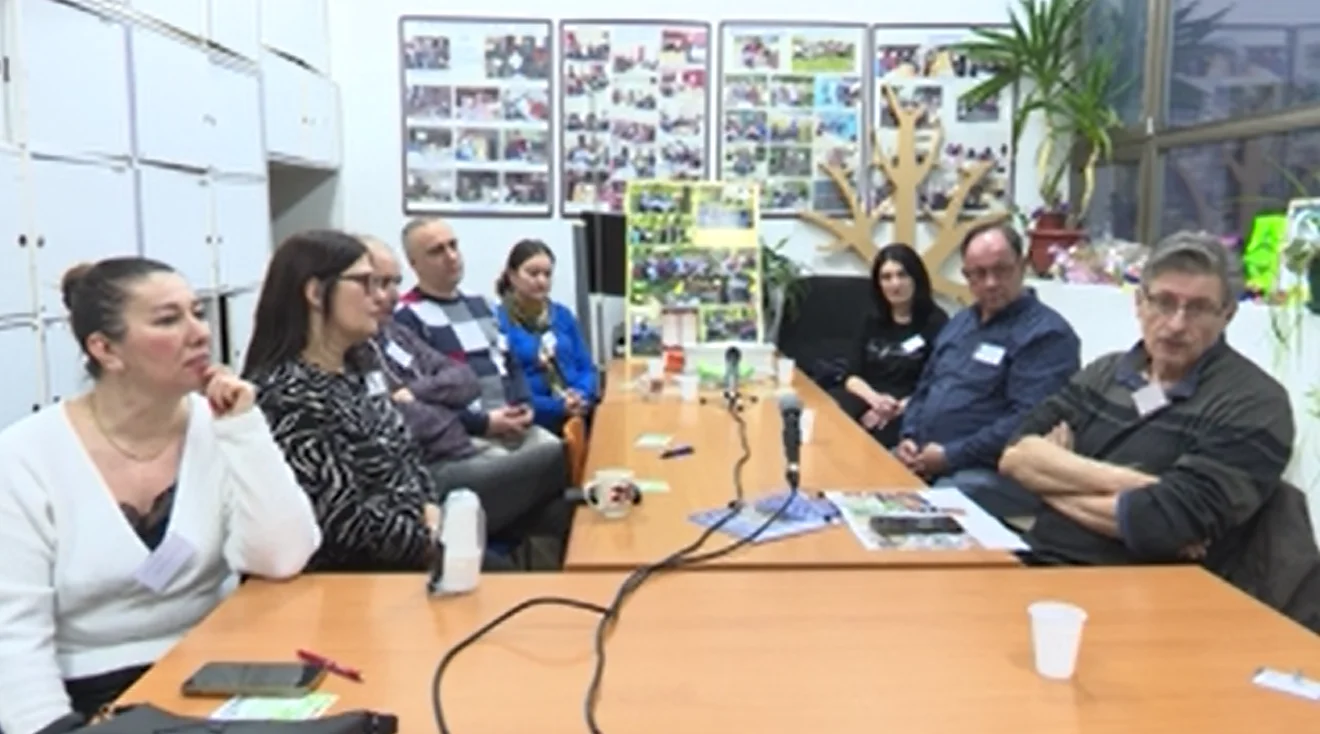
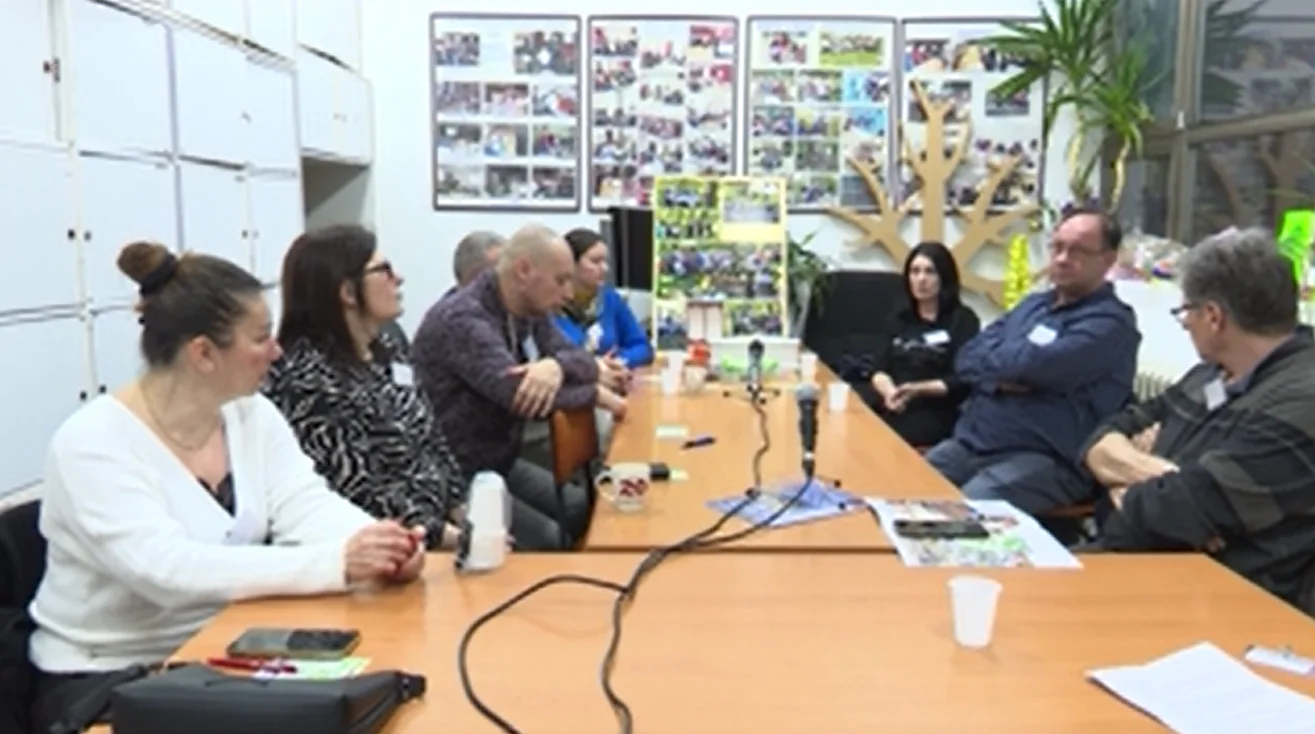
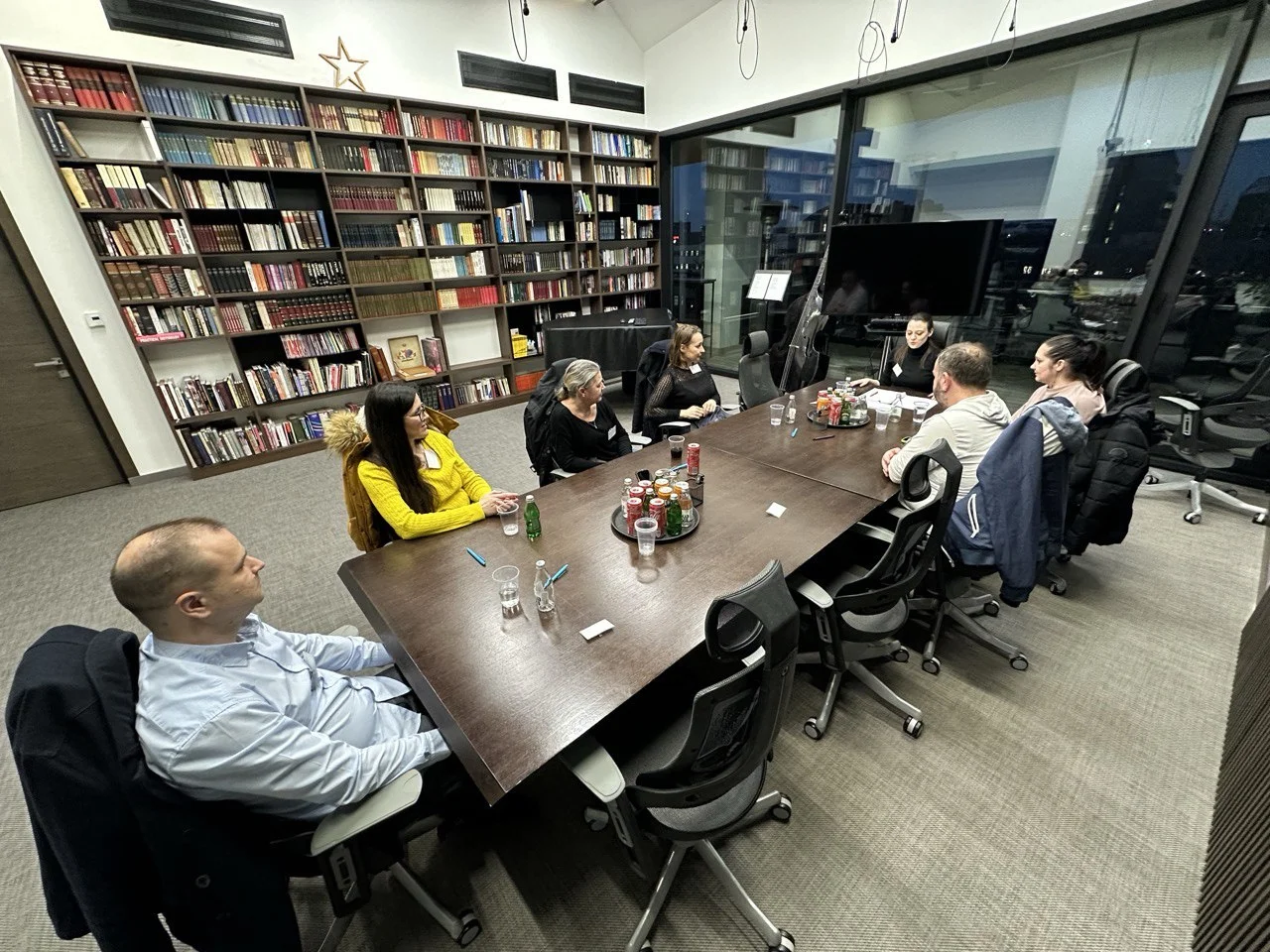
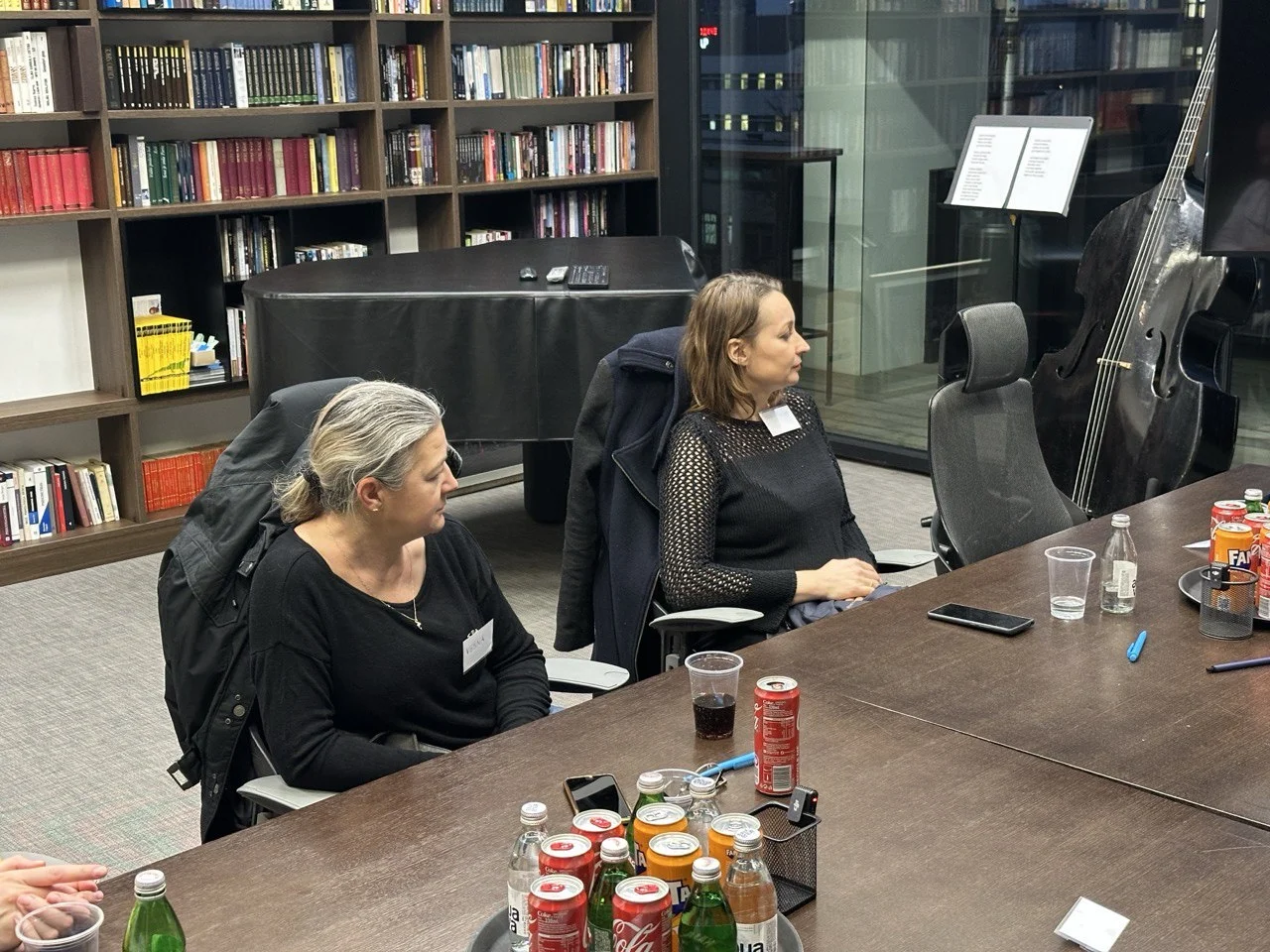
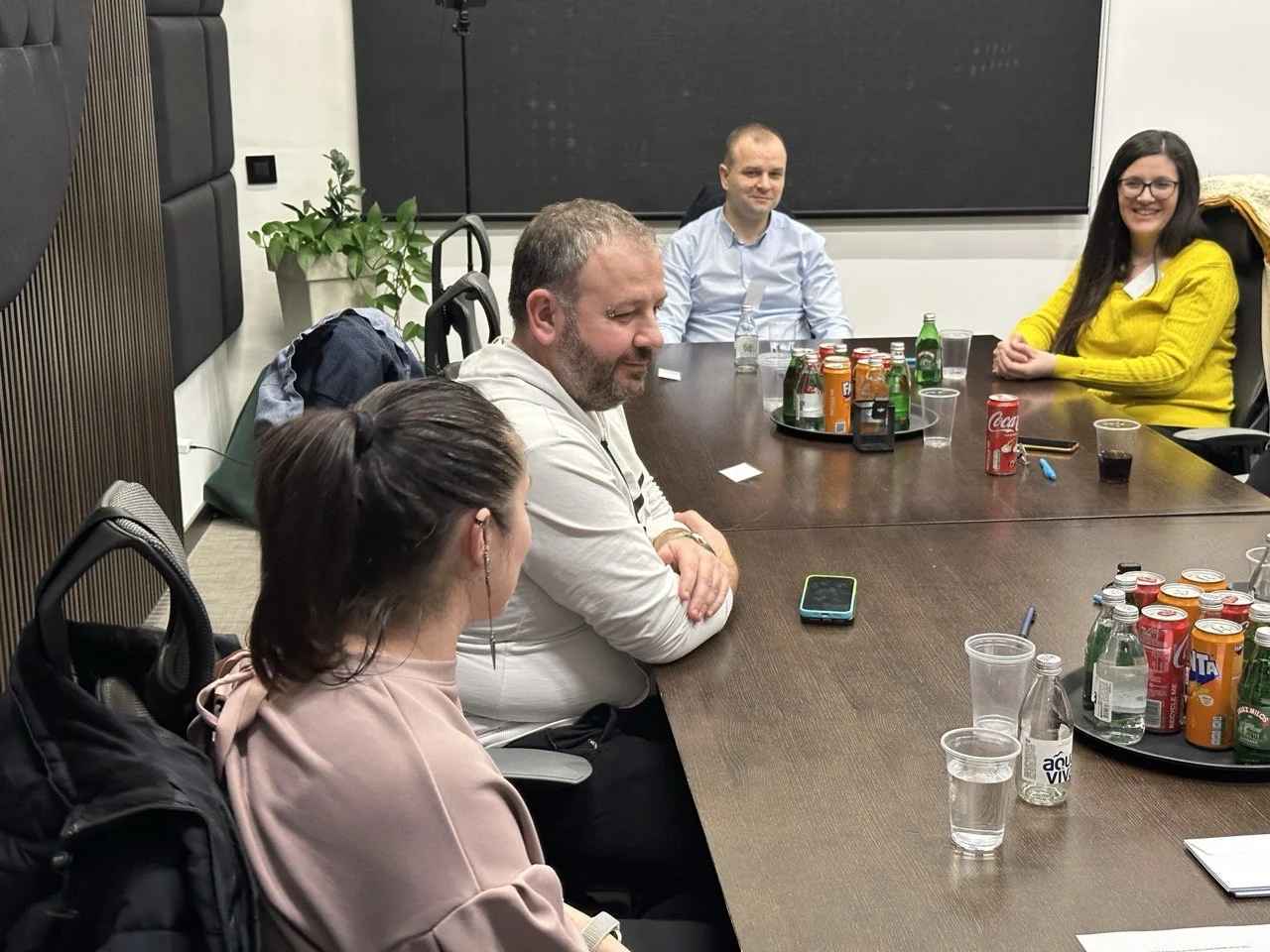
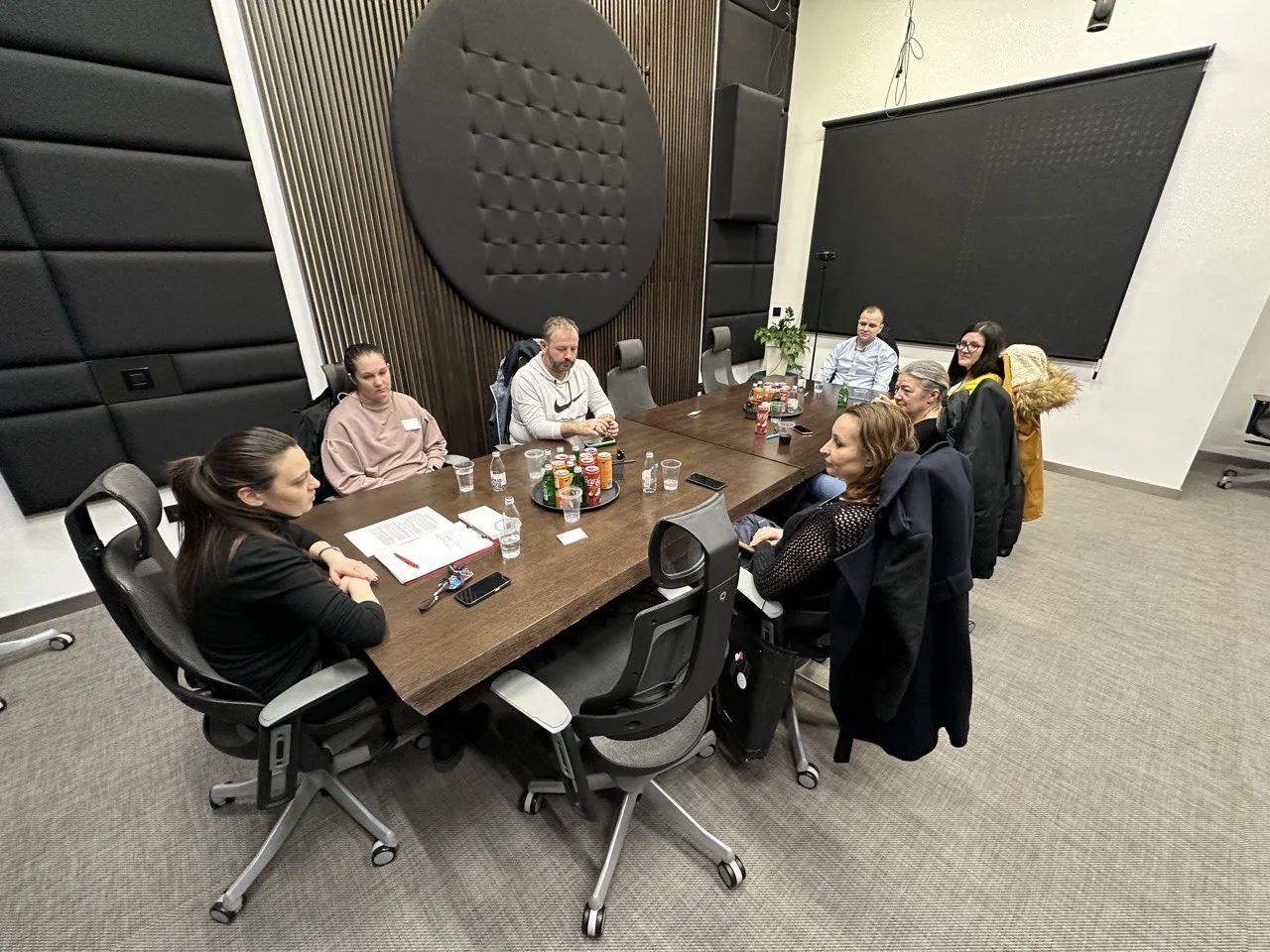
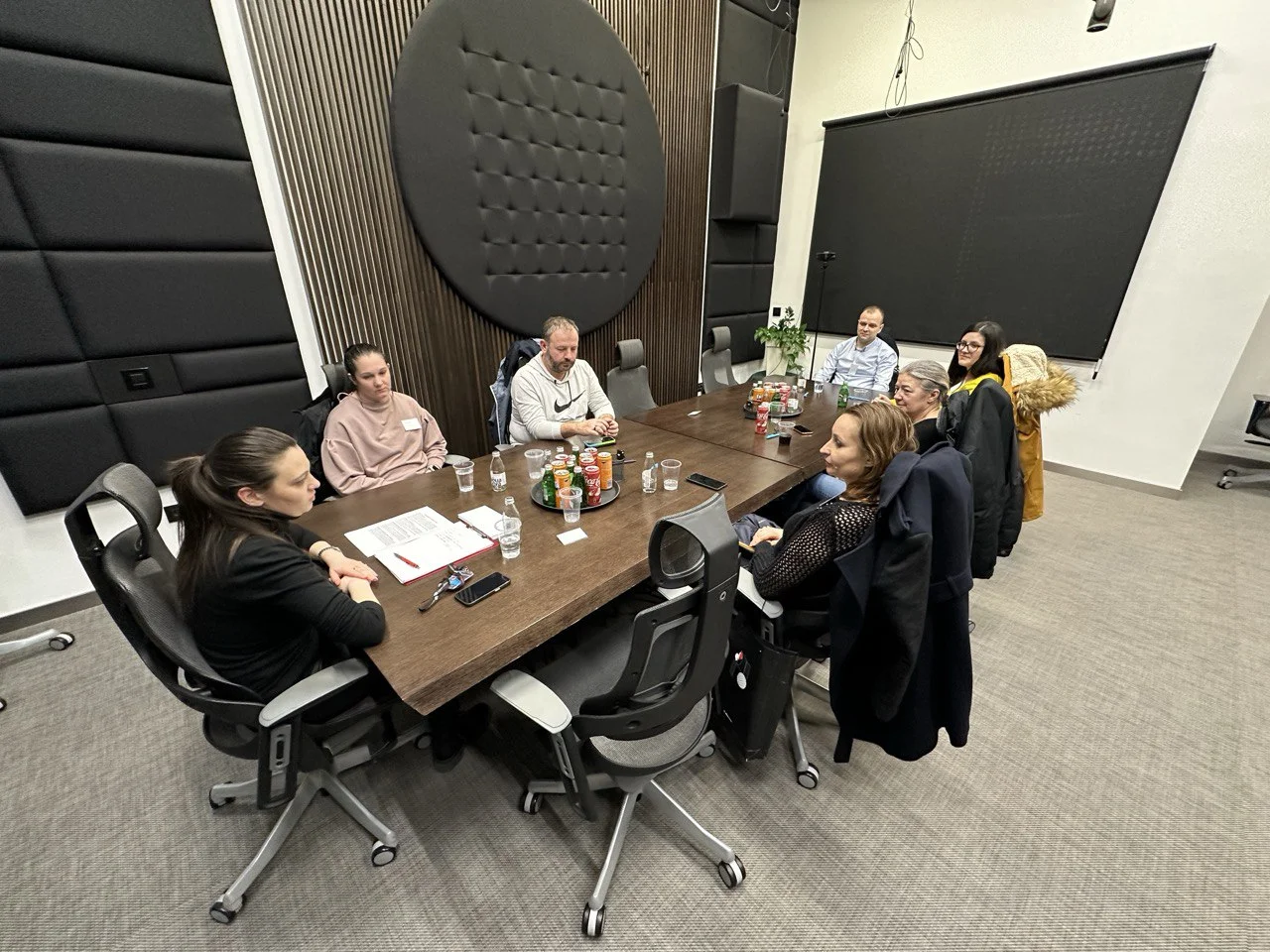
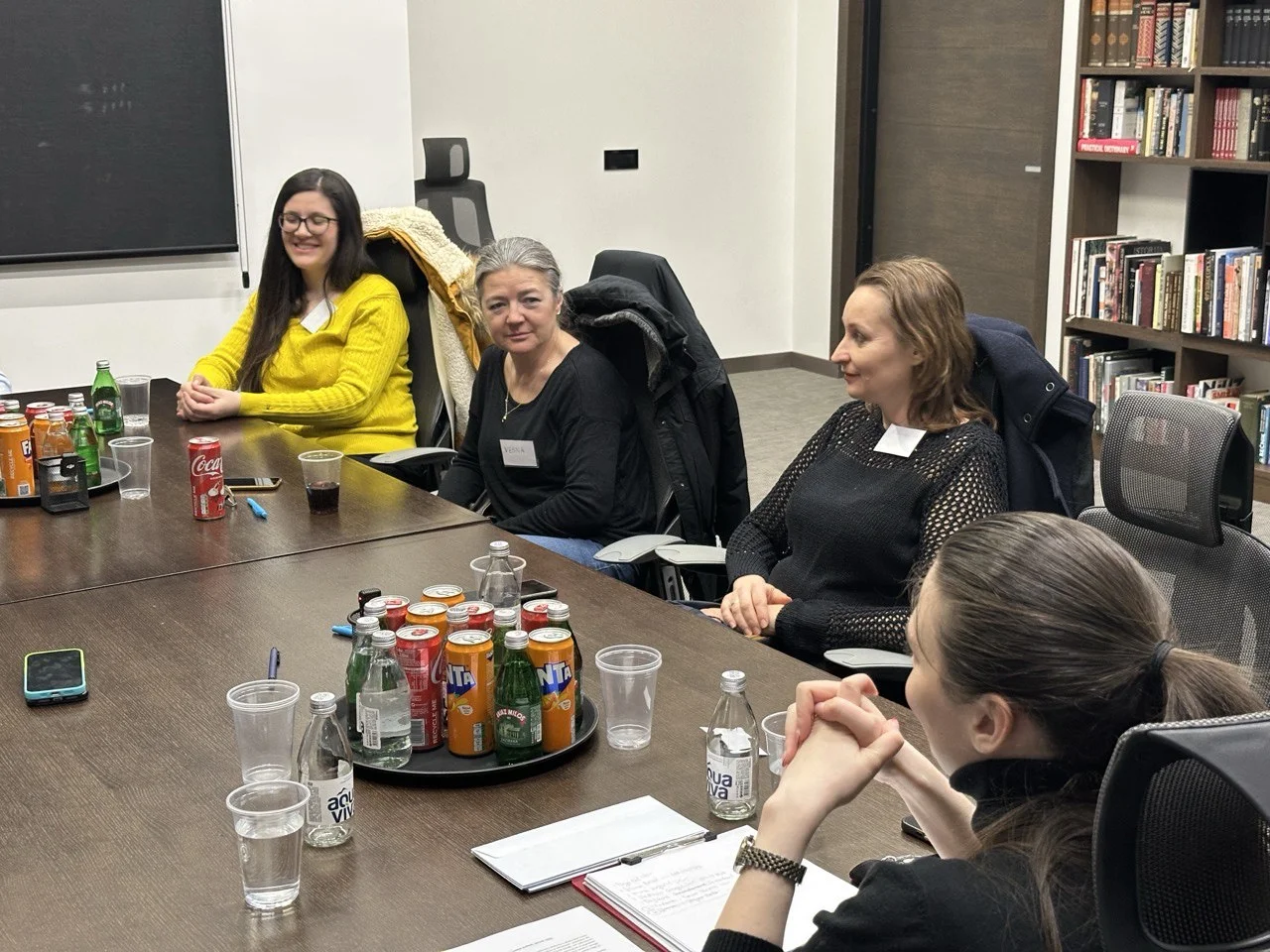
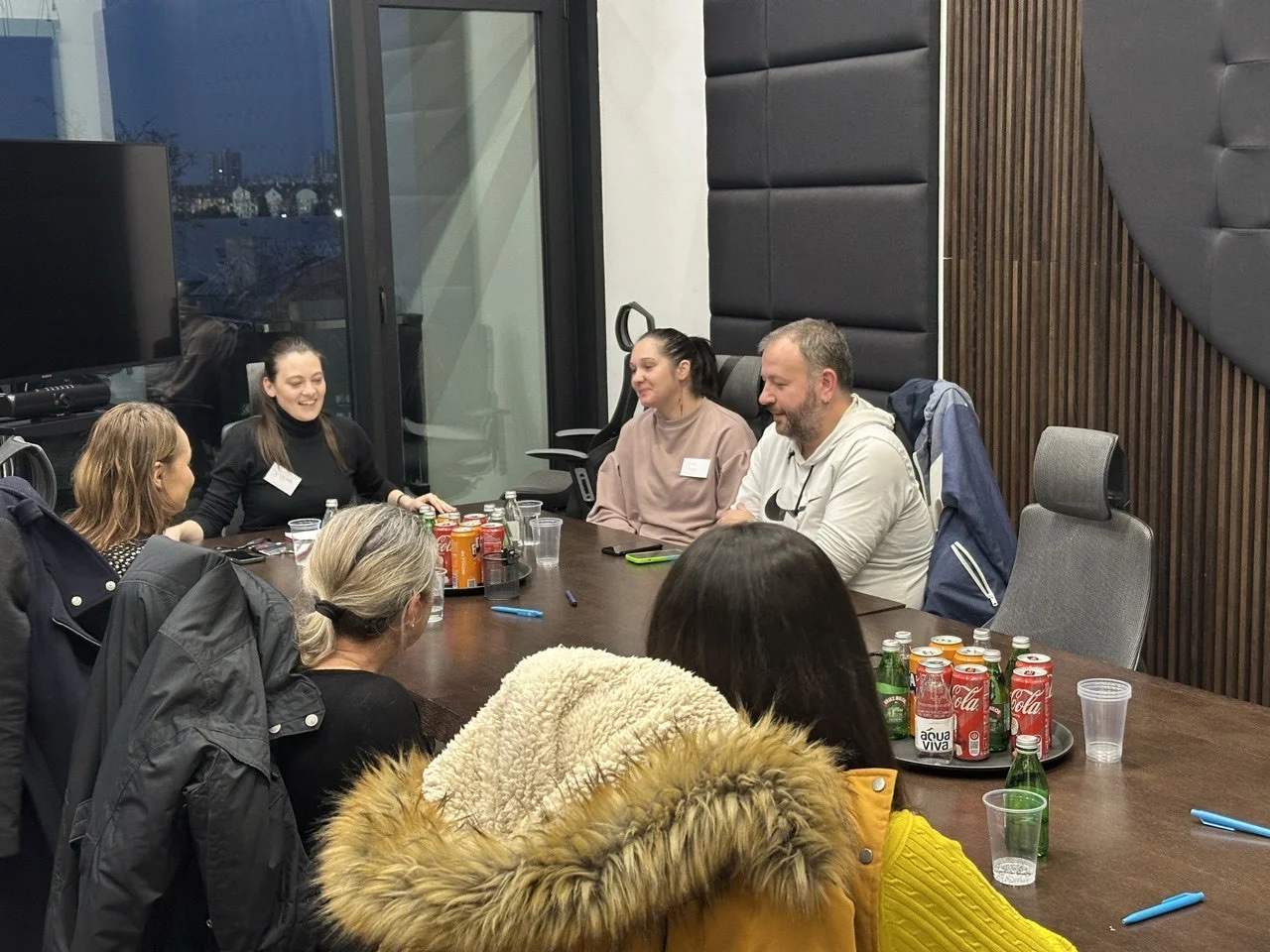
The research was conducted in cooperation with a dedicated team of young professionals from the research agency “Ninamedia” from Novi Sad. It was carried out through focus groups held in Novi Sad and Niš, and the participants were parents and caregivers of children diagnosed with rare diseases. Their testimonies provide valuable insight into everyday challenges, as well as systemic shortcomings that affect the quality of life of the entire family.
A long and uncertain path to diagnosis
One of the most striking findings relates to the very beginning—the diagnostic process, which is often long, unpredictable, and exhausting. Parents spend years searching for answers, visiting numerous specialists, while the system rarely recognizes their intuition as an important signal. In this process, they take on the role of researchers and coordinators, and key progress most often comes thanks to personal initiative, dedicated individuals, or support from patient organizations.
Healthcare – between rights and reality
Although legal frameworks exist, access to healthcare remains uneven and administratively complex. The availability of therapies often depends on place of residence, financial resources, and the family’s ability to navigate the system. Lengthy procedures, complex referrals, and the costs of private therapies place an additional burden on parents, who in practice become the main coordinators of their children’s treatment.
A system that turns parents into administrators
Similar patterns are also observed in the areas of medical documentation, social protection, and education. Insufficient institutional coordination, slow procedures, and inconsistent practices lead to parents taking on multiple roles—from advocate and educator to care manager. Although rights are formally defined, their realization depends on personal initiative, access to information, and available support.
Education, work, and everyday life – the struggle for equality
In the education system, inclusion exists on paper, but in practice depends on the engagement of individuals and parents. The lack of standardized support, personal assistants, and adequately trained staff represents a significant barrier.
At the same time, the economic security of families is severely threatened. Parents face discrimination in the labor market and a lack of flexible working arrangements, while high treatment costs further increase financial pressure.
Challenges are also present in housing and access to public spaces, which are often not adapted to the needs of children with rare diseases, further limiting their independence and social inclusion.
The strength of the community and the need for systemic change
Despite numerous obstacles, the research shows that parent associations play a key role—as a source of information, support, and advocacy. However, their participation in decision-making processes remains limited and often symbolic.
Therefore, the research also defines concrete recommendations: from improving diagnostic protocols and digitizing medical records, to simplifying administrative procedures, introducing flexible work models, and strengthening inclusive education. Special emphasis is placed on the need for better institutional coordination and more active involvement of parents in policymaking.
The project “Collaborative Tools Against Discrimination” shows that solutions exist—but they require cooperation, knowledge exchange, and a systemic approach. Only in this way is it possible to build a society in which children with rare diseases and their families have equal opportunities for a dignified and fulfilling life.
The project is implemented by the association “Život,” with the support of the Initiative for Economic and Social Rights A11, the Transatlantic Foundation (German Marshall Fund), and the European Union in Serbia, within the “EU for You” initiative.
Fokus group Niš
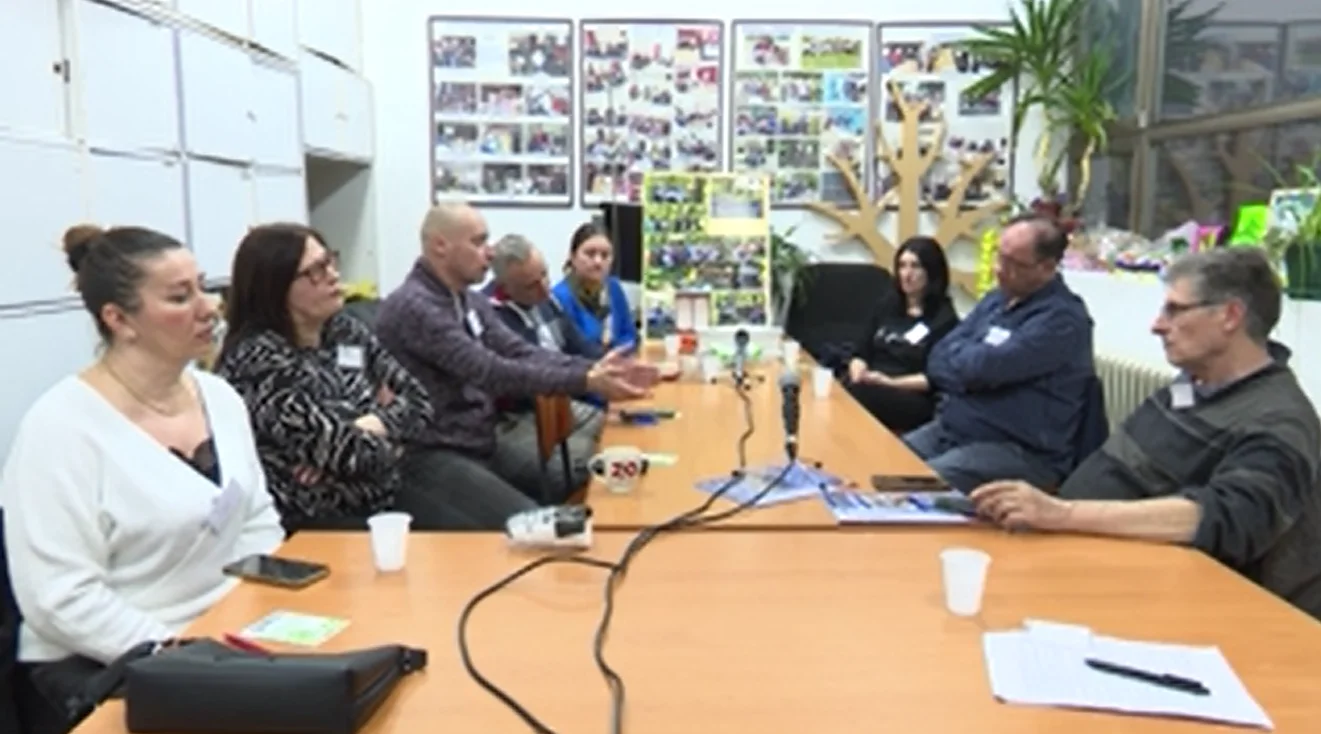
Fokus group Novi Sad
Search database
PARTNERS

Companies and institutions that have helped the Rare Disease Foundation