INVITATION TO ATTEND A LECTURE AND PANEL DISCUSSION
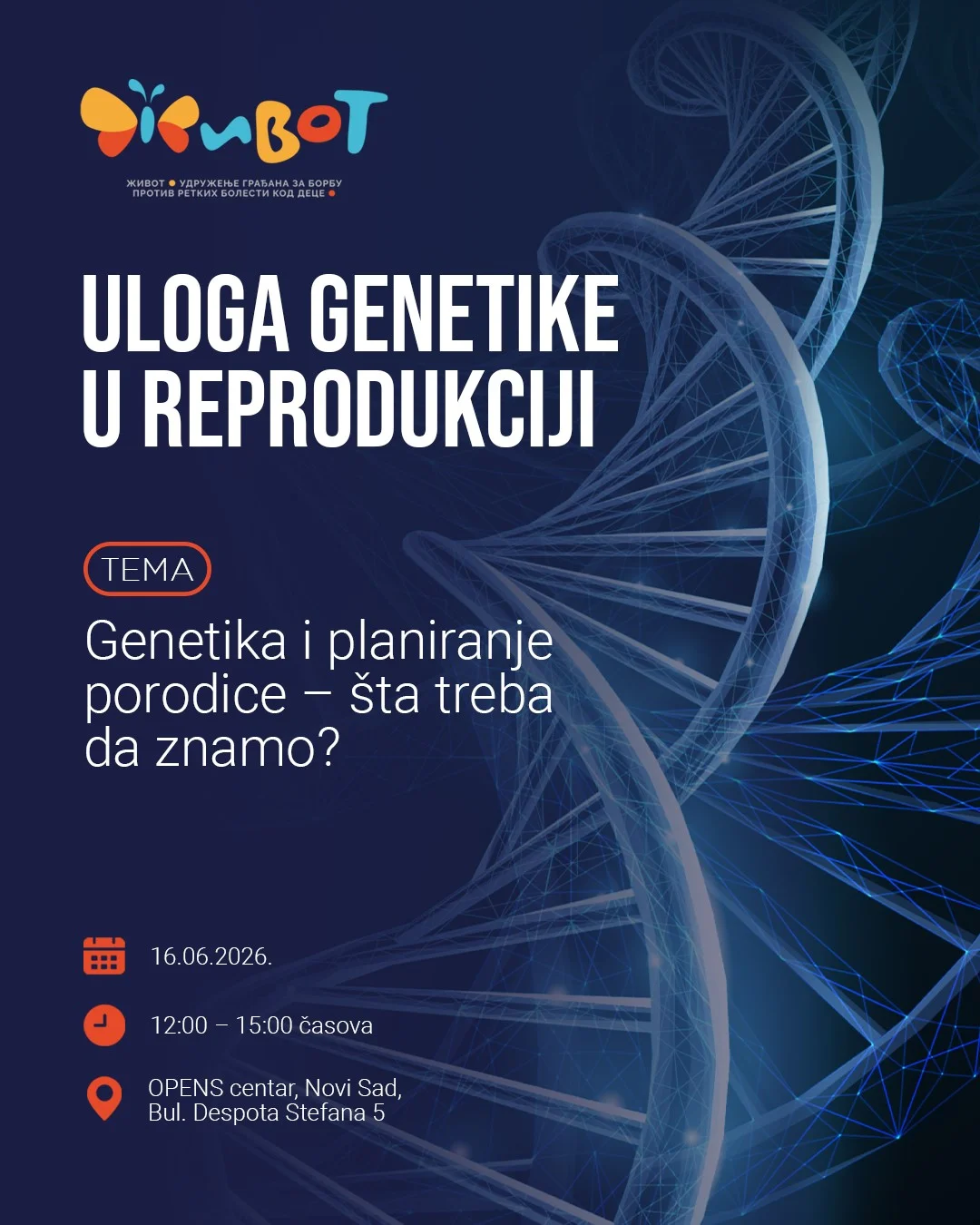
Genetics and Family Planning: What Should We Know?
We invite you to attend a lecture and panel discussion dedicated to the importance of genetics in family planning and reproductive health.
Date: June 16, 2026
Time: 12:00 PM – 3:00 PM
Venue: OPENS Center, Novi Sad, Despot Stefan Boulevard 5
The aim of the event is to introduce the public to the basic concepts of genetics through expert lectures and open discussion, dispel misconceptions and fears related to genetic testing, and create space for questions and dialogue about reproductive health and preimplantation genetic testing (PGT). PGT enables the identification of genetic changes in embryos before pregnancy, increases the chances of having a healthy child, and can help families affected by inherited diseases, repeated IVF failures, or recurrent miscarriages.
Through expert presentations, a geneticist, embryologist, patient representative, and representative of the Republic Health Insurance Fund will discuss the importance of genetic counseling, reproductive medicine, preimplantation genetic testing (PGT), and patients’ rights and opportunities within the healthcare system of Serbia.
Key Topics:
- Basics of genetics – what it means to be a “carrier”
- How inherited diseases occur
- How common rare diseases actually are within the population
- Why genetics is not intended only for “high-risk families”
- Debunking myths such as “it can’t happen to me”
- Normalizing genetic testing and informed family planning
- Preimplantation genetic testing (PGT) – how it works, who it can help, and why it is important in preventing the transmission of inherited diseases and planning a healthy pregnancy
The lecture is intended for all interested citizens, future parents, young people, and anyone who
wishes to learn more about the role of genetics in modern society and reproductive health.
The event is organized by the Association for Combating Rare Diseases in Children “Life” as part
of its project “Family Planning Without Barriers – Knowledge for Healthy Offspring.” The project
is funded by the Ministry for Family Welfare and Demography of the Republic of Serbia within the
framework of the 2026 Project for Family and Legal Protection of Citizens, Coordination, and
Implementation of Population Policy.
Welcome!
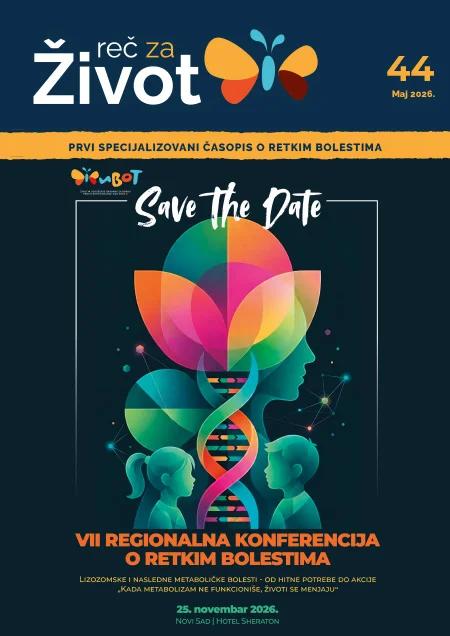
A new issue of the magazine “Word for Life” has been released
Dear partners and friends of the rare disease community, We are pleased to present the new online edition of the magazine “A Word for Life,” dedicated to current topics in the field of rare diseases, the challenges faced by patients and their families, as well as examples of support, cooperation, and progress in diagnosis and treatment.
In this issue, we highlight the announcement of the 7th Regional Conference on Rare Diseases, the results of a study on the experiences of parents of children with rare diseases, interviews with experts and institutional representatives, as well as inspiring personal stories of patients.
We believe that the content of this edition will contribute to a better understanding of the needs of people living with rare diseases and encourage further connection, solidarity, and joint action.
Thank you for being part of our community.
Kind regards,
“Life” Association for Rare Diseases in Children
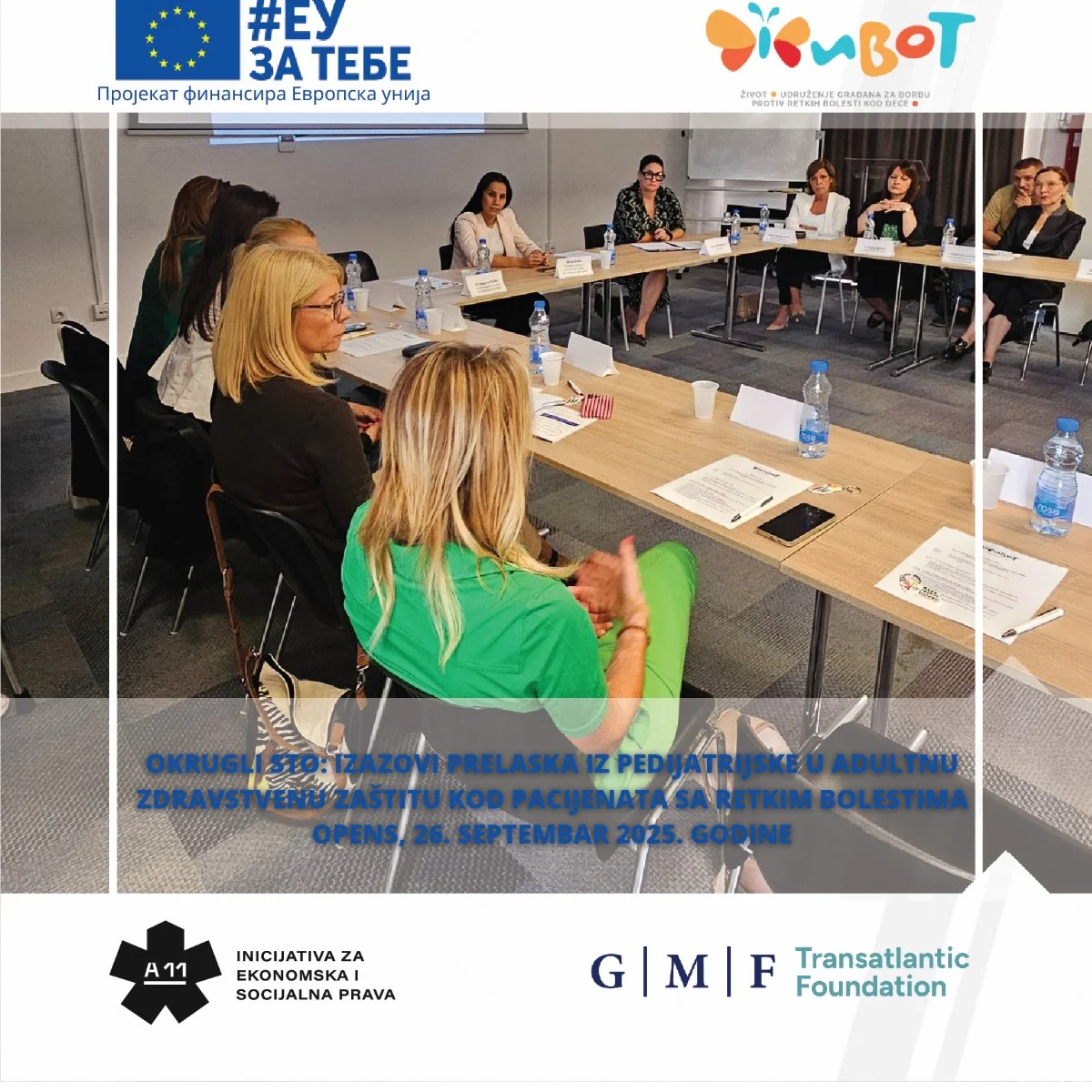
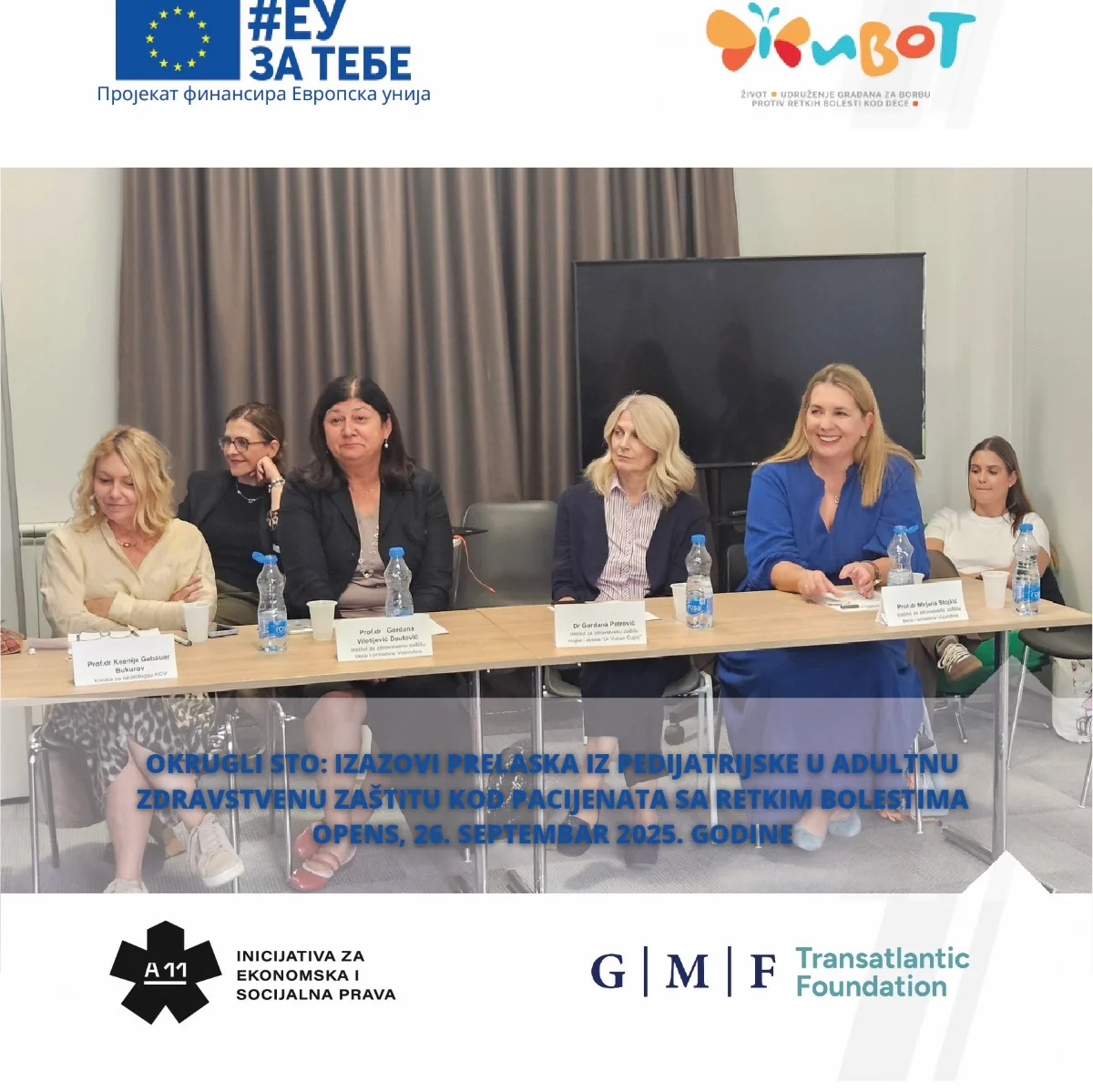
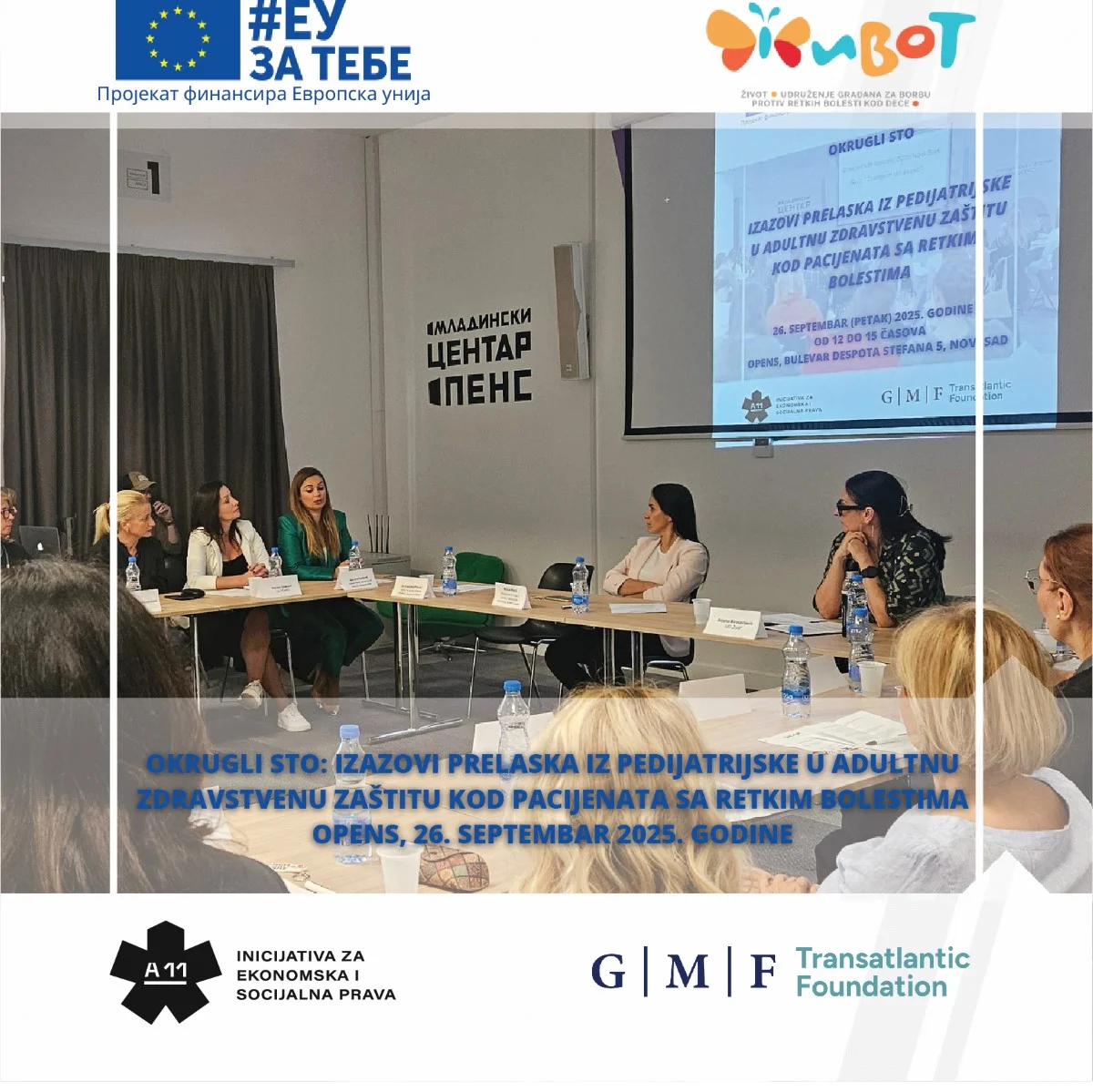
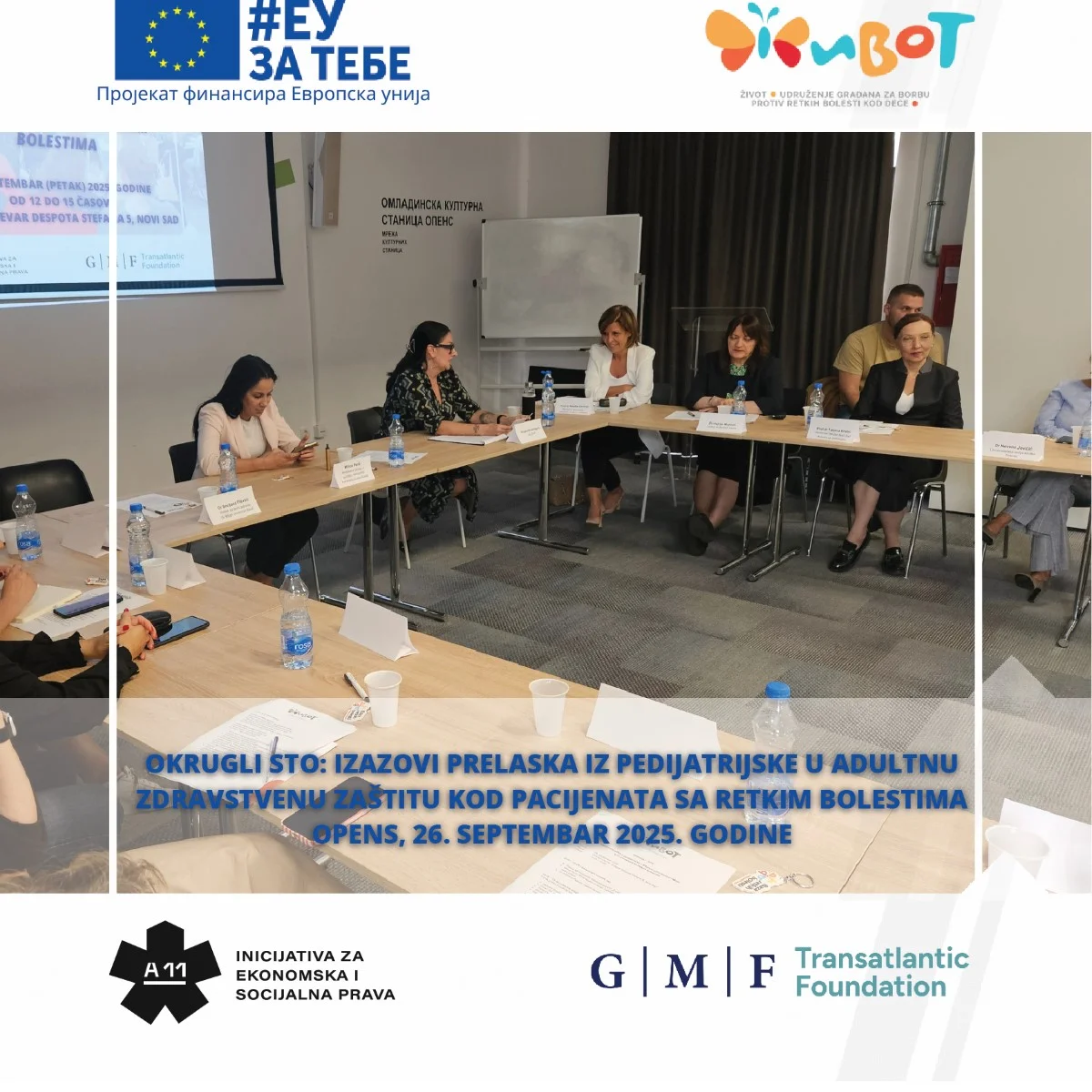
ROUND TABLE DISCUSSION
“Challenges of Transitioning from Pediatric to Adult Healthcare for Patients with Rare Diseases”
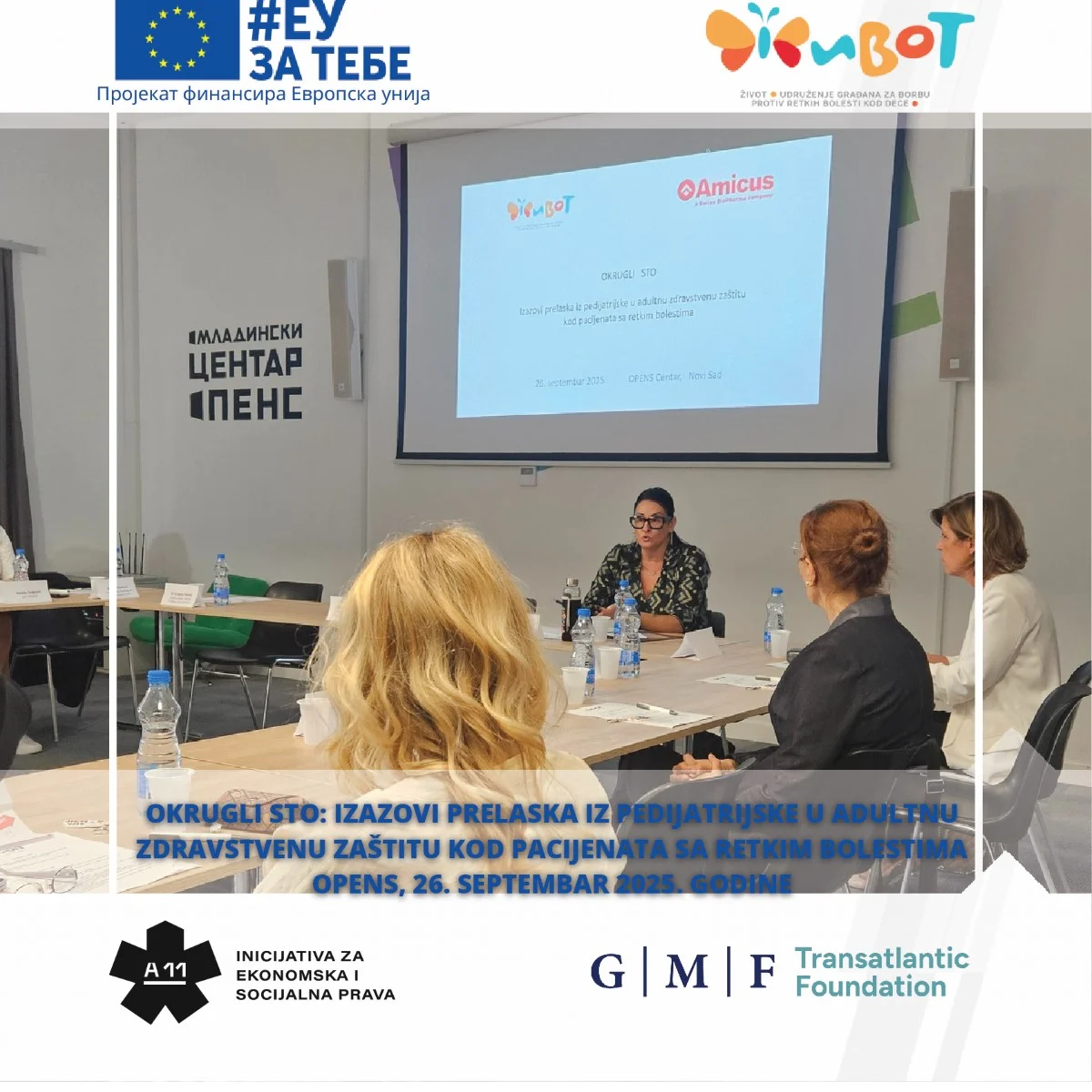
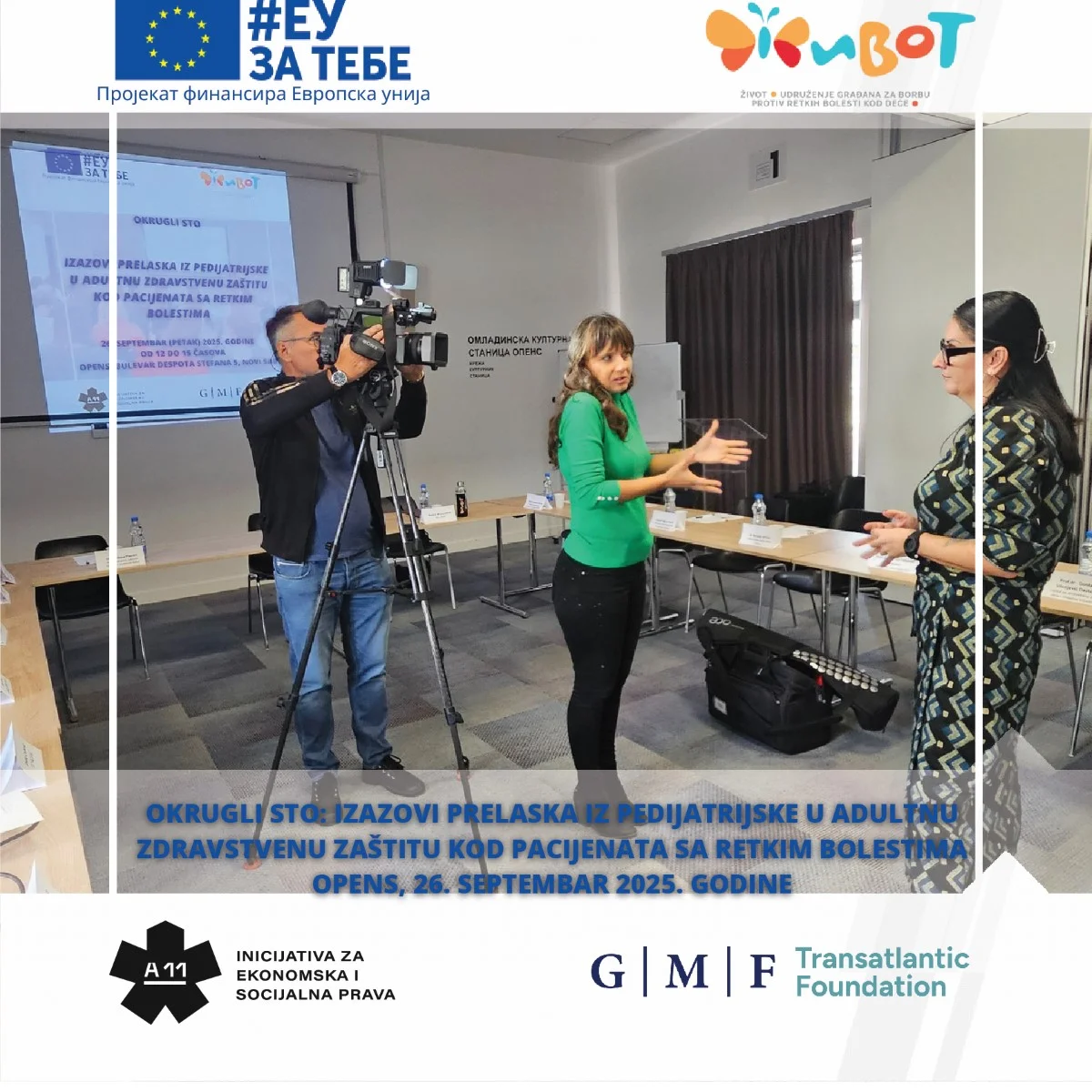
On September 26, 2025, the Association for Combating Rare Diseases in Children “Život” organized a round table discussion at the OPENS Center in Novi Sad, dedicated to the topic: “Challenges in Accessing Healthcare for Patients with Rare Diseases During the Transition from Pediatric to Adult Care.”
This round table was held as part of a project implemented by the “Život” Association with the financial support of the European Union in Serbia. The project is led by the “Život” Citizens’ Association for Combating Rare Diseases in Children, with the support of the A11 Initiative for Economic and Social Rights, the Transatlantic Foundation (German Marshall Fund), and the European Union in Serbia through the “EU for You” initiative.
This transition period often brings additional challenges for patients and their families — from interruptions in continuity of care and lack of coordination among healthcare professionals, to difficulties in accessing therapy and specialist examinations.
The aim of the round table was to identify key challenges and formulate recommendations for improving healthcare practices and policies through the exchange of experiences and proposals from various patient associations.
The transition from pediatric to adult healthcare is one of the most critical moments in the lives of young people living with rare diseases. Without clear transition programs and intersectoral cooperation, patients and their families are often left to navigate this period alone, precisely when support is needed the most.
During the discussion, we heard firsthand experiences from patients, who openly spoke about feelings of abandonment and “being lost” within the healthcare system throughout this process. Physicians also shared their perspectives, and all participants agreed that they face the same challenges — a lack of structure and clear tools that would make the transition safer and easier for patients.
In many countries, such transition programs have existed for years — it is time for our patients to have them as well.
We would like to thank all participants for their open discussions, shared experiences, and valuable suggestions. This is only the first step toward creating a system in which no young patient with a rare disease will remain “between two worlds” of healthcare.
The presence and contributions of all participants — through their experiences, practical examples, and proposed solutions — are of great importance in achieving our common goal: ensuring continuity and quality healthcare for patients with rare diseases, regardless of age.
“Život” Association
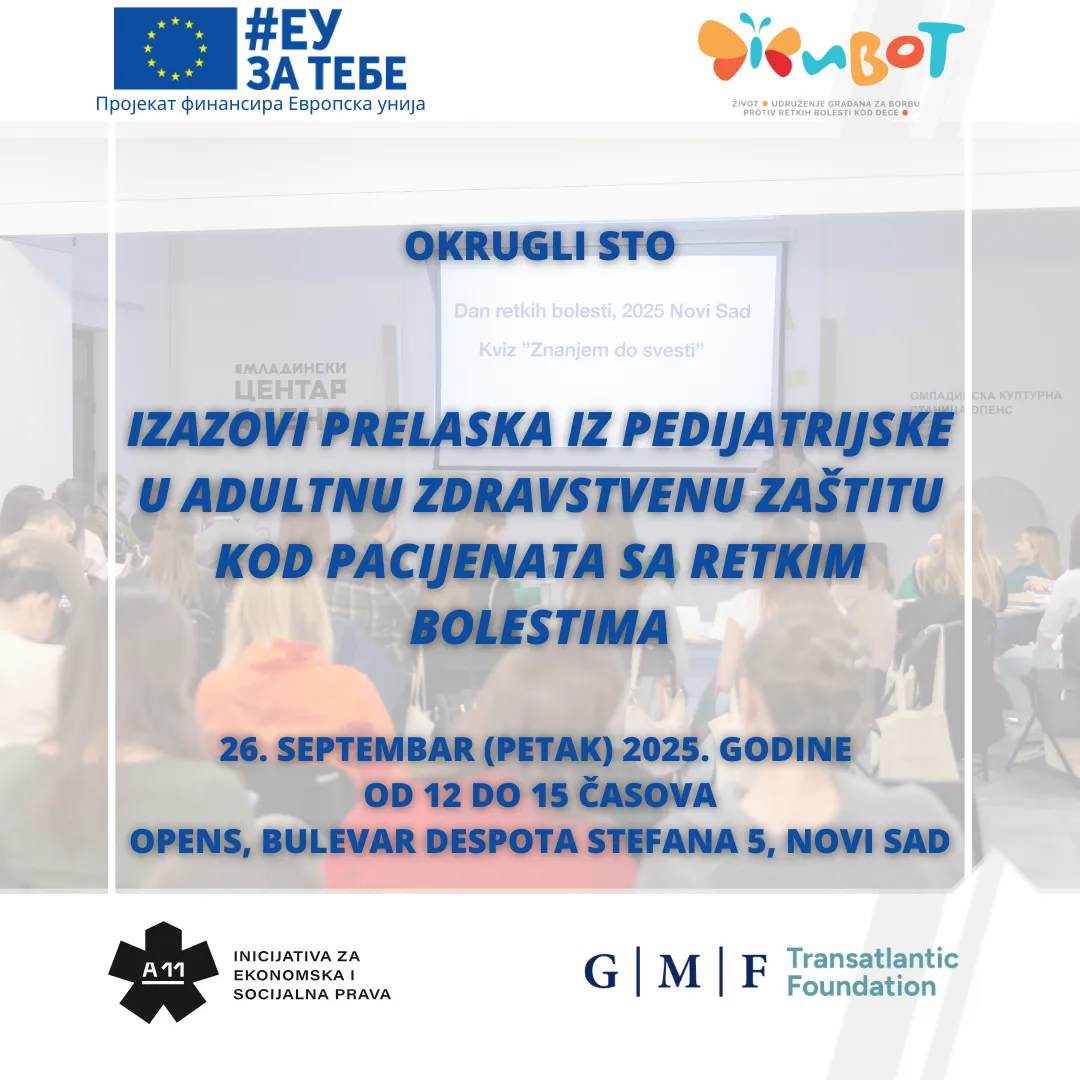
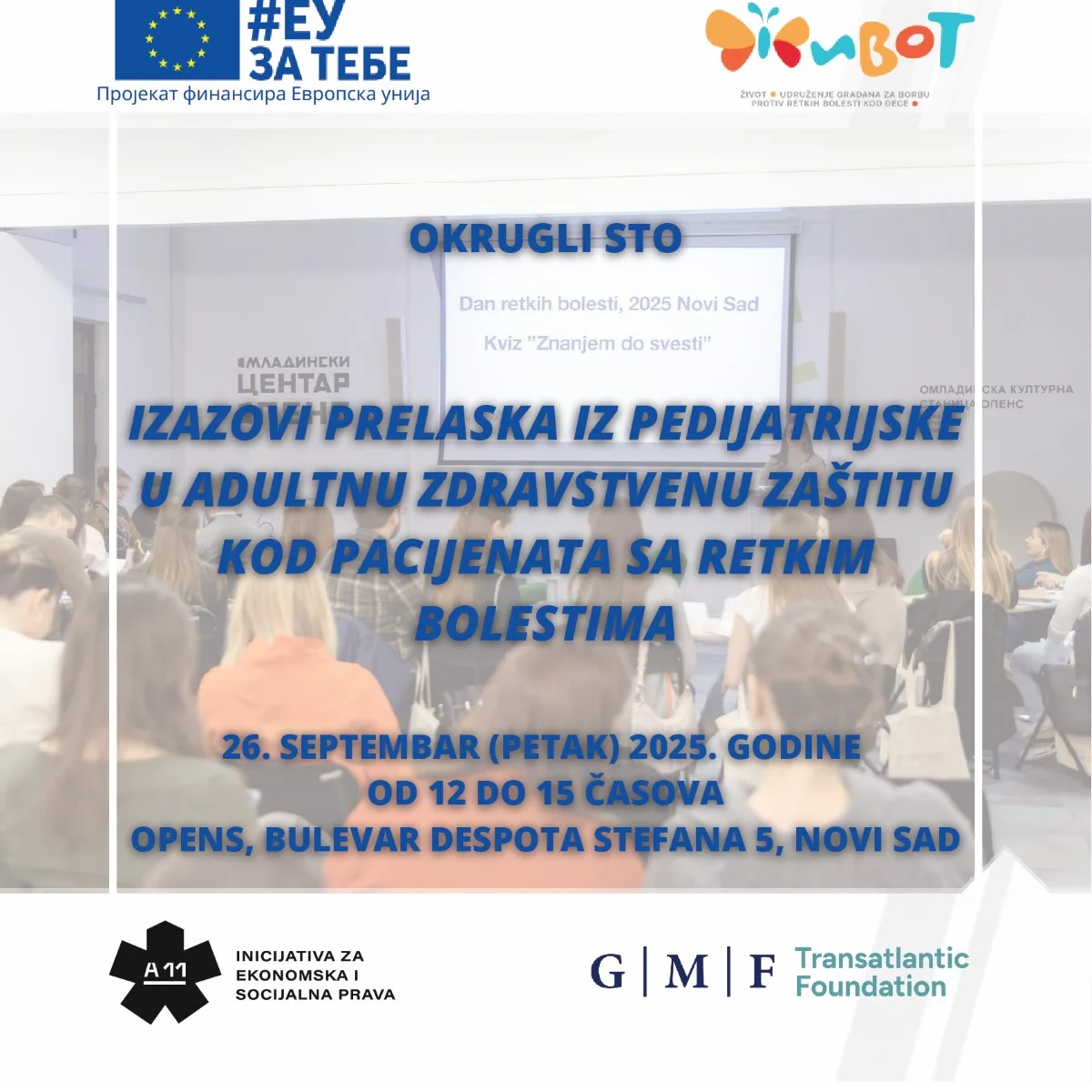
Invitation to Participate in a Round Table Discussion
The Citizens’ Association for Combating Rare Diseases in Children “Život” is organizing a round table discussion on the topic:
“Challenges of Transitioning from Pediatric to Adult Healthcare for Patients with Rare Diseases”
September 26, 2025 (Friday), from 12:00 PM to 3:00 PM
Novi Sad, OPENS Center, Bulevar Despota Stefana 5
The transition period from pediatric to adult healthcare is one of the most sensitive stages for patients with rare diseases and their families. Discontinuity of care, lack of coordination among healthcare professionals, and limited access to therapies and specialist examinations are just some of the challenges they face.
That is why we invite you to be part of this process!
Share your experiences, suggestions, and ideas with us so that together we can develop recommendations for better practices and fairer healthcare policies.
You can send your suggestions and experiences to: info@retkebolesti.com
Your participation is valuable — let us work together to create the changes that patients truly need!
The project “United for Rare Diseases – The Right to Health for People Living with Rare Diseases” is supported by:
- A11 Initiative for Economic and Social Rights
- Transatlantic Foundation (German Marshall Fund)
- European Union in Serbia #EUzaTebe
This project is funded by the European Union.
The views and opinions expressed within the project implemented by the “Život” Association are solely those of the authors and do not necessarily reflect the views of the European Union or the Delegation of the European Union to the Republic of Serbia.
It is with great pleasure that we announce the project implemented by the “Život” Association with the financial support of the European Union in Serbia.
The project is led by the “Život” Citizens’ Association for Combating Rare Diseases in Children, with the support of the A11 Initiative for Economic and Social Rights, the Transatlantic Foundation (German Marshall Fund), and the European Union in Serbia through the “EU for You” initiative.
The project brings together experts, patients, and advocates with the goal of systematically improving the position of people living with rare diseases.
What is the goal of the project?
The goal of the project “Collaborative Tools Against Discrimination” is to improve awareness among patients and the general public about the rights of people living with rare diseases, to empower patients through education and networking, and to raise awareness about the discrimination they are often exposed to.
The project also aims to strengthen the capacities of patient organizations working in this field.
Where is the project being implemented?
The project is being carried out throughout Serbia, with a special focus on local communities where support for patients is often insufficient. Activities include informational campaigns on social media, workshops, media appearances, and the organization of a final conference in Belgrade.
When did the project begin and how long will it last?
The project was launched during 2025, with the goal of implementing the final activity as part of the observance of Rare Disease Day (February 2026). During this period, a series of promotional activities is planned, involving patients, families, media representatives, healthcare professionals, and decision-makers.
Why is this project important?
Despite numerous challenges, patients with rare diseases often remain invisible within the healthcare system and institutions. Due to the complexity of their diagnoses, they frequently encounter bureaucratic obstacles, delays in diagnosis and treatment, and neglect within public policies.
This project aims to change that practice — to empower patients, raise public awareness, and open the door to concrete systemic solutions.
The project “Collaborative Tools Against Discrimination” is supported by:
- A11 Initiative for Economic and Social Rights
- Transatlantic Foundation (German Marshall Fund)
- European Union in Serbia #EUzaTebe
Information about rare diseases


Doctor’s advice,
association contacts from the entire region
We present to you a unique regional project, the Database of Rare Diseases, which was founded in 2017 in cooperation with Orpha.net (https://www.orpha.net/). The Rare Disease Database is a unique resource that collects and advances knowledge about rare diseases to improve the diagnosis, care and treatment of patients with rare diseases and to provide support to physicians, patients with rare diseases and their families.
On the page, it is possible to search for rare diseases according to various criteria (disease name, OMIM, ORPHAcode), where you can read more about the requested disease in Serbian, Macedonian, Croatian and English. A memorandum of cooperation on this important project was signed with national organizations for rare diseases in the region.
As a relevant source of data, the Database of Rare Diseases is available on the website of the Ministry of Health of the Republic of Serbia.
We are very proud that, in cooperation with Orpha.net, the Rare Disease Database has become a credible and recognizable platform for patients and doctors as part of the European Orpha.net system.

A call to doctors
We invite doctors and other healthcare professionals to get involved and help with advice or find answers that will help patients.

A call to patients
We invite patients, their family members and associations to get involved, ask questions and share experiences.

We invite you
We invite individuals, companies and the entire interested public to get involved and help raise the visibility of this project.
Rare, but NEVER ALONE
BASE OF RARE DISEASES
The database of rare diseases is a unique regional project whose goal is to shorten the time to diagnosis and provide broad support to patients suffering from rare diseases.
The database is periodically updated and you can contribute to the improvement of the portal and its content in the appropriate segments with your suggestions, information and knowledge.
Rare diseases
Countries
Languages
The mission of the Rare Disease Database is to provide assistance to patients and physicians and to raise public awareness of rare diseases.
PARTNERS

Companies and institutions that have helped the Rare Disease Foundation